
Cricket is shaped by its environment more than almost any other sport. The same two teams can produce completely different matches depending on the pitch and the weather. Understanding these conditions helps you read a game more intelligently — why a captain made a certain choice, why scoring slowed, or why a bowling change worked — and to appreciate the subtle craft behind those decisions.
Why the pitch matters so much
The pitch is the strip of prepared ground where the ball is bowled and batted. Its surface determines how the ball behaves after it bounces, and small differences have big effects. Pitches are living surfaces that change over the course of a match as they dry out, crack and wear, which is why a fifth-day Test pitch can play nothing like it did on day one.
Common pitch types
- Flat / batting-friendly: hard, even surfaces where the ball comes onto the bat nicely. These favour high scores.
- Green tops: pitches with more grass that can help seam and swing bowlers, especially early on.
- Dry / spin-friendly: surfaces that crack and turn, helping spin bowlers grip and deviate the ball, often later in a match.
How weather changes the game
Weather works alongside the pitch to shape conditions. A few key effects:
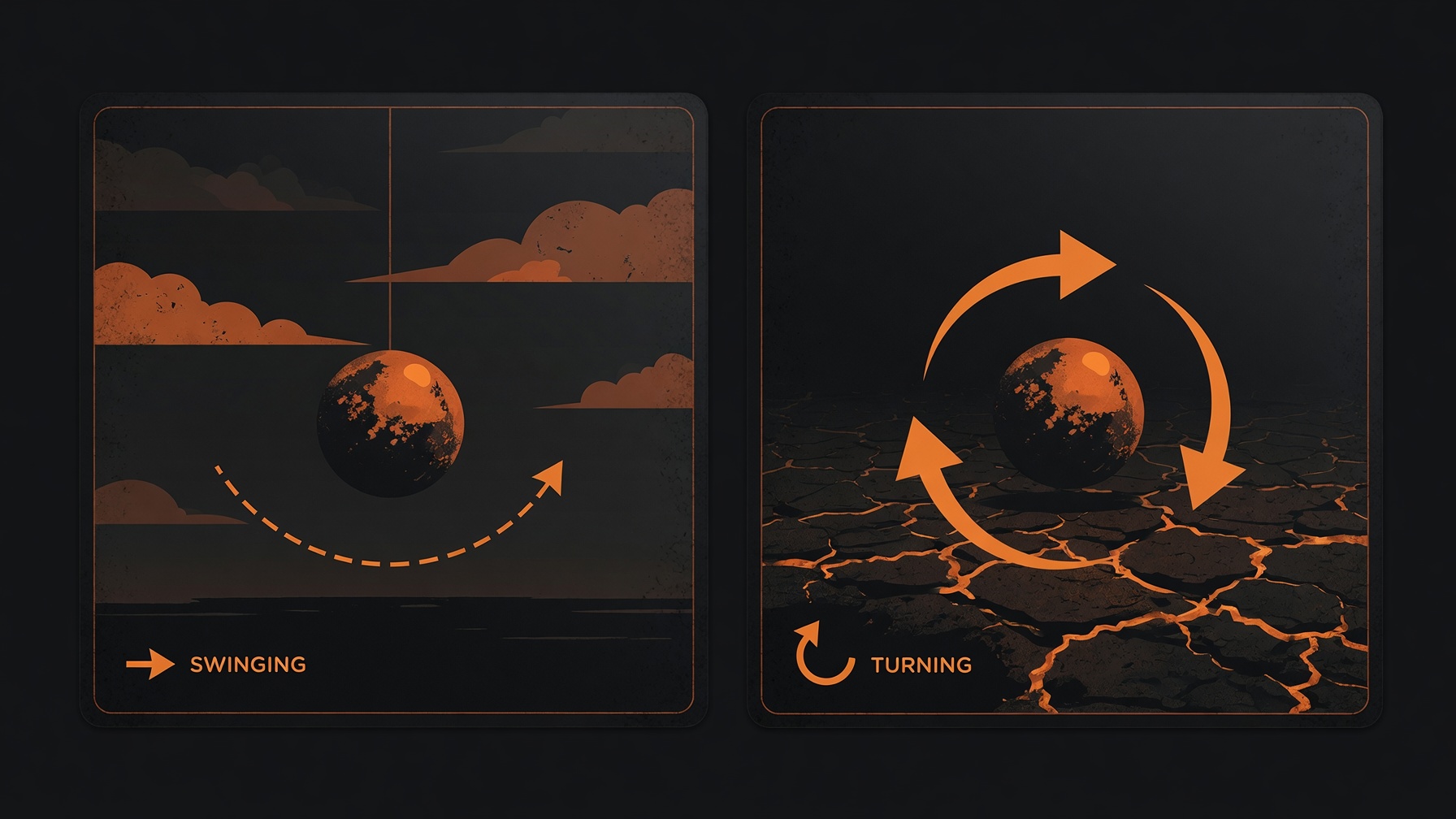
- Cloud cover is often associated with more swing for fast bowlers, making batting trickier under grey skies.
- Humidity and dew can affect grip — evening dew, in particular, can make the ball slippery for bowlers and easier to hit, which is one reason the toss can matter in day-night games.
- Heat and dryness tend to wear a pitch faster, helping spin as a match goes on.
- Rain can interrupt or shorten a match, sometimes bringing rain-affected calculations into play in limited-overs cricket.
Why captains read conditions before deciding
This is why the toss and the decision to bat or bowl first are taken so seriously. A captain weighs the pitch, the forecast and the time of day before choosing. On a green top under cloud, bowling first might be tempting; on a dry surface expected to turn, batting first and posting a total can be the smarter call. There is rarely one right answer — it is a judgement based on conditions.
What it means for following a match
Reading conditions helps you understand why a game is unfolding the way it is, and why momentum can shift. A par score on a flat pitch is very different from a par score on a turning one. For anyone following live cricket, conditions are one of the most important pieces of context — though they are only ever part of the picture, never a certainty. No condition guarantees a result; it simply tilts the balance. Experienced watchers also pay attention to how conditions evolve within a single match — a pitch that was good for batting in the afternoon can become trickier under lights, and a surface that gripped early can flatten out as the day warms. Reading those shifts as they happen, rather than judging the pitch once at the start, is what separates a casual glance from genuine understanding.
Frequently asked questions
What is a "green top" pitch?
A pitch with more grass left on the surface, which can help seam and swing bowlers, particularly early in a match.
Why does spin become more effective later?
As a pitch dries and wears, it cracks and grips the ball more, giving spin bowlers extra turn and bounce.
Does cloud cover really affect swing?
It is commonly associated with more swing for fast bowlers. Conditions vary, though, and no factor guarantees a particular outcome.
What is dew and why does it matter?
Evening moisture on the outfield can make the ball slippery for bowlers, which is one reason the toss can carry extra weight in day-night matches.
Key takeaways
- The pitch determines how the ball behaves and changes throughout a match.
- Flat pitches favour batting; green tops help seam; dry pitches help spin.
- Cloud, dew, heat and rain all interact with the pitch to shape play.
- Captains weigh conditions carefully when choosing to bat or bowl first.
- Conditions tilt the balance but never guarantee an outcome.
Conditions are useful context, not a crystal ball. No amount of analysis removes uncertainty. If you bet, do so as an adult, within a budget, and never treat any read as a sure thing.
Read the game as it happens
Conditions come alive when you watch a match unfold ball by ball. See how live cricket works on FairPlay.
Explore FairPlay Live